Social Media, PR and Marketing HoReCa & Events Course

Who is this course for?

for beginner social media managers

for business owners and managers

for marketers

The course in brief

A comprehensive course that will help you increase your knowledge and broaden your skills in effective online branding and promotion techniques.

A comprehensive course developing skills in creating understandable communication and engaging social media, with an emphasis on practical work on real campaigns, advertising tools, and case studies.

Duration: 2 days (16 hours)

Form: stationary lectures, workshops

Outcome: You'll learn how to design a brand strategy, content calendar, and advertising campaigns. You'll learn how, when, and where to place content for maximum effectiveness. Practical knowledge you can implement immediately after the training. Certificate of Completion

What will you gain?

After completing the course, you will be able to independently plan brand communications, run professional social media profiles, create effective marketing campaigns, and build recognition for your restaurant, hotel, catering, or event company.

What makes this course special?

  1. Marketing led by practitioners. Classes are led by marketing, social media, and PR specialists, as well as brand owners responsible for promoting restaurants, hotels, and events on a daily basis.
  2. Practical, focused knowledge. You work on specific cases, learning to use real-world tools and solutions.
  3. Sales-focused marketing. You'll learn activities that not only expand reach but, above all, attract customers and build loyalty.
  4. Creating a communication strategy. You'll learn how to plan brand communications, maintain a coherent image, and create content tailored to your target audience.
  5. You will learn tools for planning publications, creating graphics, analyzing results, and running advertising campaigns.
  6. You will receive templates for content calendars, communication plans, publication checklists, and marketing campaign outlines.
  7. Certificate of completion.

Sign up
just now!

Training program: Gastronomy and event marketing

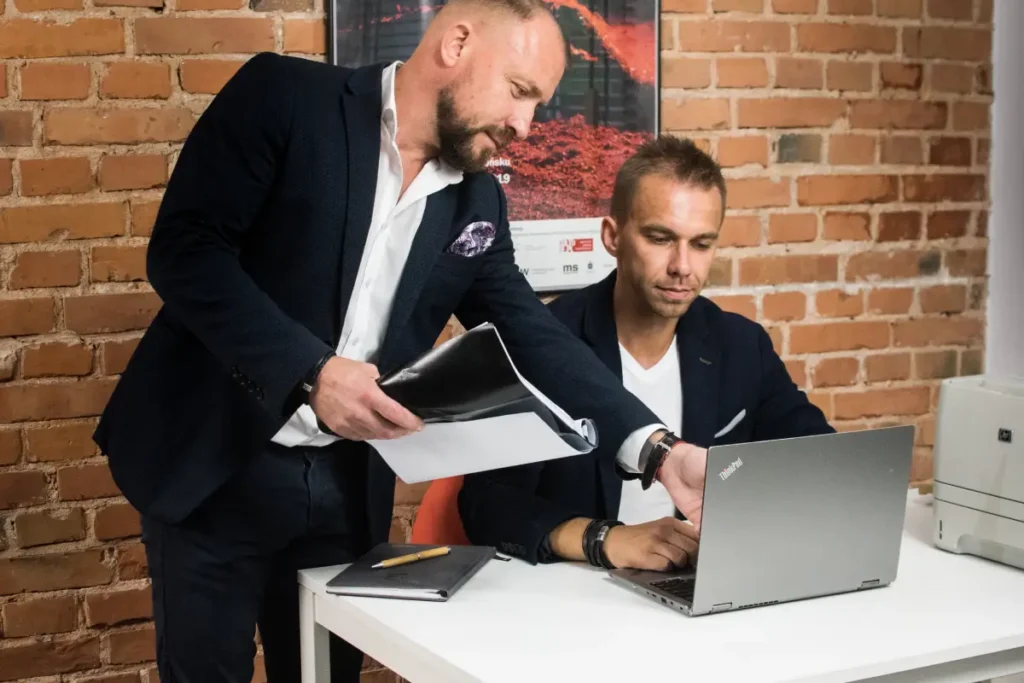
Two men at a laptop

1. What is marketing and why is good cuisine not enough today?

  • What really is marketing in the catering and event industry?
  • Why doesn't marketing start with posting?
  • How do guests choose a restaurant, wedding hall or event venue?
  • The importance of first impressions – from Google searches to on-site visits.
  • How does marketing support sales, reservations and recognition?
  • The most important trends influencing the decisions of modern customers.


2. What does the venue actually sell?

  • Offer, location, interior, atmosphere, service and guest experience.
  • Why is food quality alone not enough?
  • Consistency between what the venue promises online and what the guest finds on-site.
  • How to find an element that distinguishes a premises from the competition?


3. The specificity of catering and event marketing

  • How does promoting a restaurant differ from promoting a wedding hall, conference or corporate event?
  • Selling daily visits versus selling events planned in advance.
  • How to promote:
    • restaurant and regular offer,
    • weddings and family parties,
    • conferences and training,
    • corporate events,
    • thematic events,
    • catering and group offers.
  • Seasonality in gastronomy and events.
  • How to plan communication well in advance?
  • How to use one event to promote subsequent projects?


4. Target group – who are we really addressing our offer to?

  • Who is the ideal venue guest or event client?
  • Differences in communication: restaurant, bistro, pizzeria, hotel, club, wedding hall and conference room.
  • Who decides on the venue for the event?
  • How to match the language, offer, images and communication channels to the audience?


5. Marketing strategy – what is it and why do we need it?

  • What is the difference between a strategy and a post plan?
  • What elements should a marketing strategy include?
  • Business and marketing goals – why shouldn’t every venue communicate the same way?
  • How do you define what a brand should be known for?
  • How do you set priorities so you don't try to do everything at once?
  • How to check if marketing activities are bringing results?


6. Brand, communication and consistent image

  • What is a restaurant brand and how to build its recognition?
  • Brand communication – how should a brand speak to its audience?
  • Key visual: colors, fonts, photo style and character of graphics.
  • Consistency between online and offline communication.
  • Menu, website, social media, on-premises signage and event materials.
  • Emotions, experience and storytelling in gastronomy and events.
    How to show not only the offer, but also the atmosphere of the place?
  • Why do random graphics and inconsistent messages undermine trust?


7. Google as one of the most important sales tools

  • Why is a Google Business Card important for restaurants and event venues?
  • How to set up a Google Business Profile step by step?
  • How to complete the verification process?
  • How to complete correctly:
    • name and category of activity,
    • address and service area,
    • opening hours,
    • telephone number and website,
    • company description,
    • offer, services and menu,
      attributes of the premises.
  • What photos should be included in a business card?
  • How to publish news, promotions and events?
  • How to increase your company's local visibility on Google?
  • The most common mistakes when maintaining a business card.


8. Opinions, Comments, and Referral Marketing

  • Why do reviews directly influence guest decisions?
  • Where do customers most often check out the premises?
  • Google, Facebook, Instagram, Tripadvisor and industry portals.
  • How to systematically get opinions without asking too much?
  • When and how to ask a guest for a rating?
  • How to use the QR code and post-event communication?
  • How to respond to positive reviews?
  • How to respond to criticism and negative comments?
  • How to move a difficult conversation from the internet to face-to-face contact?
  • When should you not engage in a discussion?
  • How do I report a review to Google?
  • What opinions can be submitted and when is the submission likely to be taken into account?
  • How to respond to fake reviews, spam or competitor actions?
  • How to turn a negative opinion into an opportunity to rebuild trust?


9. The team as part of marketing

  • Why does service influence image more than many advertisements?
  • The role of reception, waiters, managers, kitchen and event coordinators.
  • How does the team influence customer reviews and returns?
  • How to inform employees about current promotions and events?
  • How to engage your team in content creation?
  • Authenticity and artificial marketing.
  • How to prepare employees to appear in photos and videos?


10. Website, PR and other promotional channels

  • What role does a venue's website play?
  • What information should be included on it?
  • Separate tabs and offers for catering, weddings, conferences and corporate events.
  • Contact forms, reservations, menus and event inquiries.
  • Basics of local PR.
    Collaboration with media, influencers and partners.
  • Referral marketing and local collaborations.
  • When is it worth using event and booking portals?
  • How to choose channels for your purpose instead of being everywhere?


11. Introduction to social media

  • Why does a restaurant or event venue need social media?
  • Social media as a tool for building trust and supporting sales.
  • Differences between Instagram, Facebook and TikTok.
  • What role do posts, reels and stories play?
  • How to use social media to promote events?
  • Why isn't follower count the most important metric?


12. AI in catering and event marketing

  • How can AI support the daily work of a restaurateur or manager?
  • Creating ideas, descriptions, posts, offers and advertising content.
  • Preparing event communications.
  • AI as a strategy support, not a replacement for brand knowledge.
  • How to use AI without losing authenticity?
  • Overview of useful tools: ChatGPT, Canva and automation tools.

1. Social media in the catering and event industry

  • Instagram, Facebook and TikTok – where is it worth communicating?
  • How to tailor the platform to your target group and goal?
  • How to prepare a profile that inspires trust and encourages contact?
  • Name, profile picture, description, links and featured stories.
  • How to communicate several areas of activity in one premises?
  • How to combine restaurant promotion with wedding, conference and corporate offers?


2. Content strategy and communication pillars

  • How to translate your marketing strategy into everyday content?
  • What are the pillars of communication?
    How to create content that builds your brand and supports sales?
  • How to avoid a profile composed only of offers and promotions?


3. Posts, reels and stories – what function do they serve?

  • Posts as image building and presenting the offer.
  • Reels as a way to expand your reach and attract new audiences.
  • Relationships as daily contact, relationship building and sales.
  • Educational, offer and inspirational carousels.
  • How to choose the format for the purpose of publication?
  • How to create calls to action?
  • How to encourage bookings, contacts, orders or event inquiries?


4. Content planning without chaos

  • How to create a monthly content plan?
  • How do you account for seasonality, holidays, events and special offers?
  • How many times a week should I post?
  • How to plan event promotions well in advance?
  • How to analyze statistics and draw conclusions?


5. Reels and videos that grab attention

  • What video formats work best in the restaurant industry?
  • How to present dishes, the preparation process, the interior, the atmosphere and the team?
  • How to promote a wedding, conference or corporate event using roller skates?
  • Hook – how to attract attention in the first seconds?
  • Simple rollup design: start, build, and call to action.
  • Spoken, trend, image, sales and educational rolls.
  • Storytelling in a short video.
  • How to record an event so that the material can be used for marketing purposes?
  • Authenticity or perfect aesthetics – which works better?


6. Appearing in front of the camera

  • How to prepare for recording?
  • How to write a simple scenario?
  • What to do if the owner or employees do not want to perform?
  • Who can be shown instead of the owner?
  • How to familiarize your band with recording?
  • How to record statements from customers and event participants with their consent?


7. Catering and event photography

  • How to take better photos with your phone?
  • Natural and artificial light.
  • Framing, perspective and composition.
  • How to photograph food, drinks and interiors?
  • How to photograph the table, decorations, staff and participants?
  • Posed photos versus natural shots from the event.
  • What photos are needed for the website, Google, social media and advertising?
  • Vertical, horizontal and square formats – when do we need them?
  • The most common mistakes in food photography.
  • Phone or camera – what really matters?


8. Practical recording and photography

  • Phone settings before starting recording.
  • Lens cleaning, focus, exposure and stabilization.
  • Working with a model, employee or staff.
  • Recording different shots: wide, medium and detail.
  • How to create a dynamic reel from simple shots?
  • How to record footage during a real event without disturbing guests?
  • Preparing a sample shot list for a venue.
  • Independently taking photos and short video materials.


9. Editing and preparing materials for publication

  • Music, subtitles and voice-over.
  • How do I prepare the material for people watching without sound?
  • Basic photo editing.
  • How do you maintain a consistent style without overusing filters?
  • Useful applications for assembly and processing.


10. Paid ads on Facebook and Instagram

  • When is it worth running an ad?
  • Why is the "Boost Post" button not always the best solution?
  • Introduction to Meta Ads Manager.
  • How to prepare your account, website, profile and payment method?
  • Basic campaign structure: campaign, ad set, and ad.
  • How to choose a campaign objective?
  • How to determine location and audience?
  • Local audiences and people looking for an event venue.
  • How to prepare graphics, video and advertising text?
  • How to create an effective CTA?
  • How to set a budget and campaign duration?
  • How to check results?
  • The most common mistakes that cause you to burn through your budget.


11. Google Ads – Basic Differences

  • Google advertising and social media advertising.
  • Actively searching for an offer and building a need.
  • When is it better to choose Meta advertising and when is it better to choose Google Ads?
  • What phrases might people enter when looking for a restaurant or event venue?
  • Local advertising, wedding, conference and corporate offers.
  • The importance of a good landing page.
  • The most common mistakes in Google advertising.


12. Summary and Action Plan

  • How to use knowledge after training?
  • What can you do yourself and what is worth delegating?
  • What tools do you need to get started?
  • How to set a realistic work schedule?
  • The most important actions to be implemented in the next 30 days.
  • Q&A.

Why our course is unique

Workshops and simulations every day

– you learn by practicing, creating schedules and learning to work with real tools.

A program led by marketing practitioners

– experience and practice as well as solid knowledge.

The graduate leaves with a ready-made set of tools

– you will learn how to run your social media in a professional and effective way.

Certificate of Completion

– confirmation of practical competences

Sign up
today!

Don't have time to fill out the form? Call us and we'll add you to the next training date!